Tag: British Wildlife Magazine
-

Water, Big Pharma, and Airplane and Grouse Shooting industry scandals; British Wildlife Magazine
Water I feel have written more than sufficient about our pollution for profit water companies and Thames Water in particular, but it beggars belief that even now there is a fresh scandal. Thames Water’s £1m payout to finance chief is ‘unacceptable’, says government department | Thames Water | The Guardian Thames Water and others are…
-
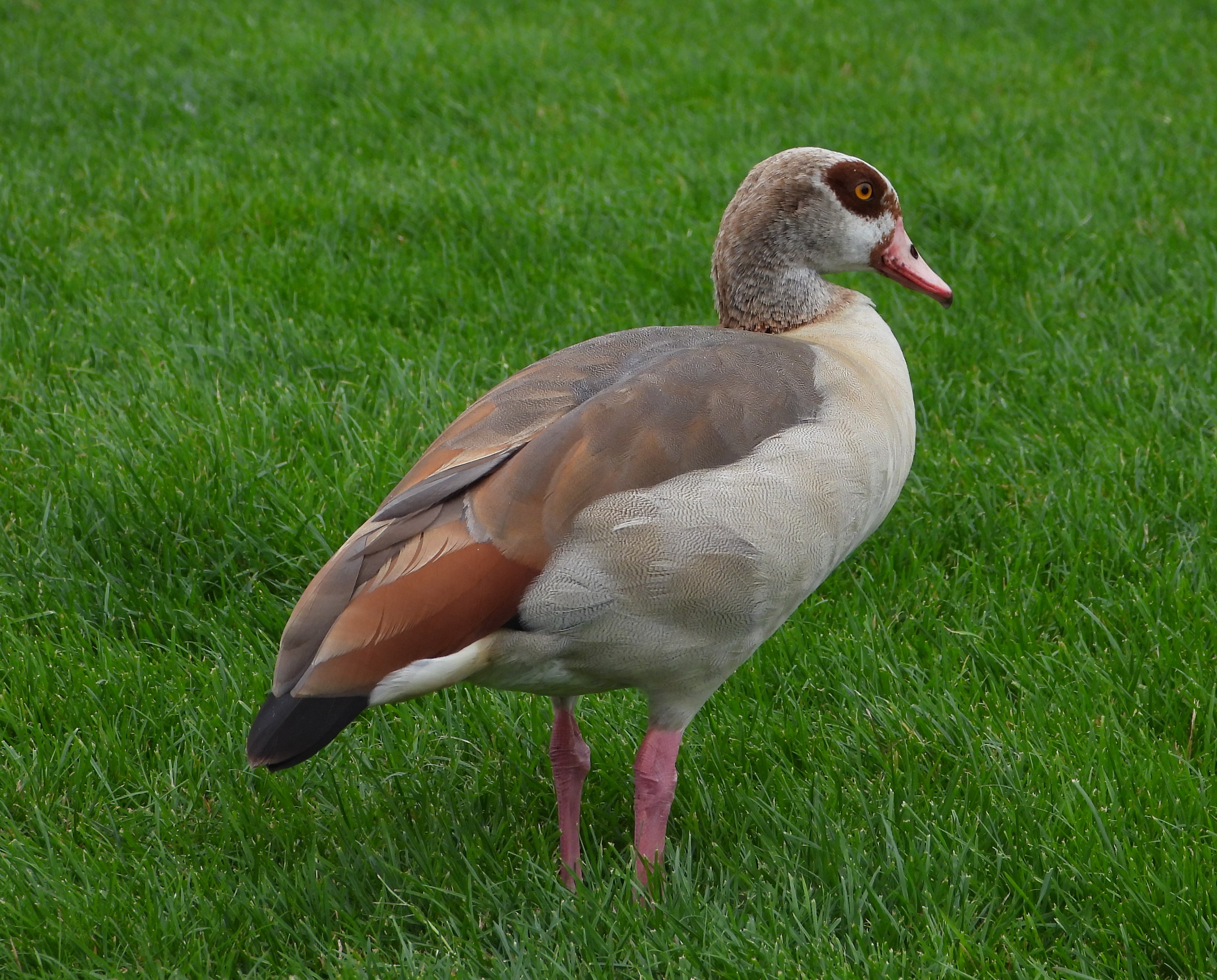
Egyptian Geese, Otters, British Wildlife and Keith Richards
Egyptian Geese The photo above was taken at Ranworth Broad in Norfolk in 2023, a lovely place with a floating visitor centre. They are strange looking birds and seem to be a classic example of a misnomer. I can’t remember where I saw this but they are not really geese, or as far as I…
-
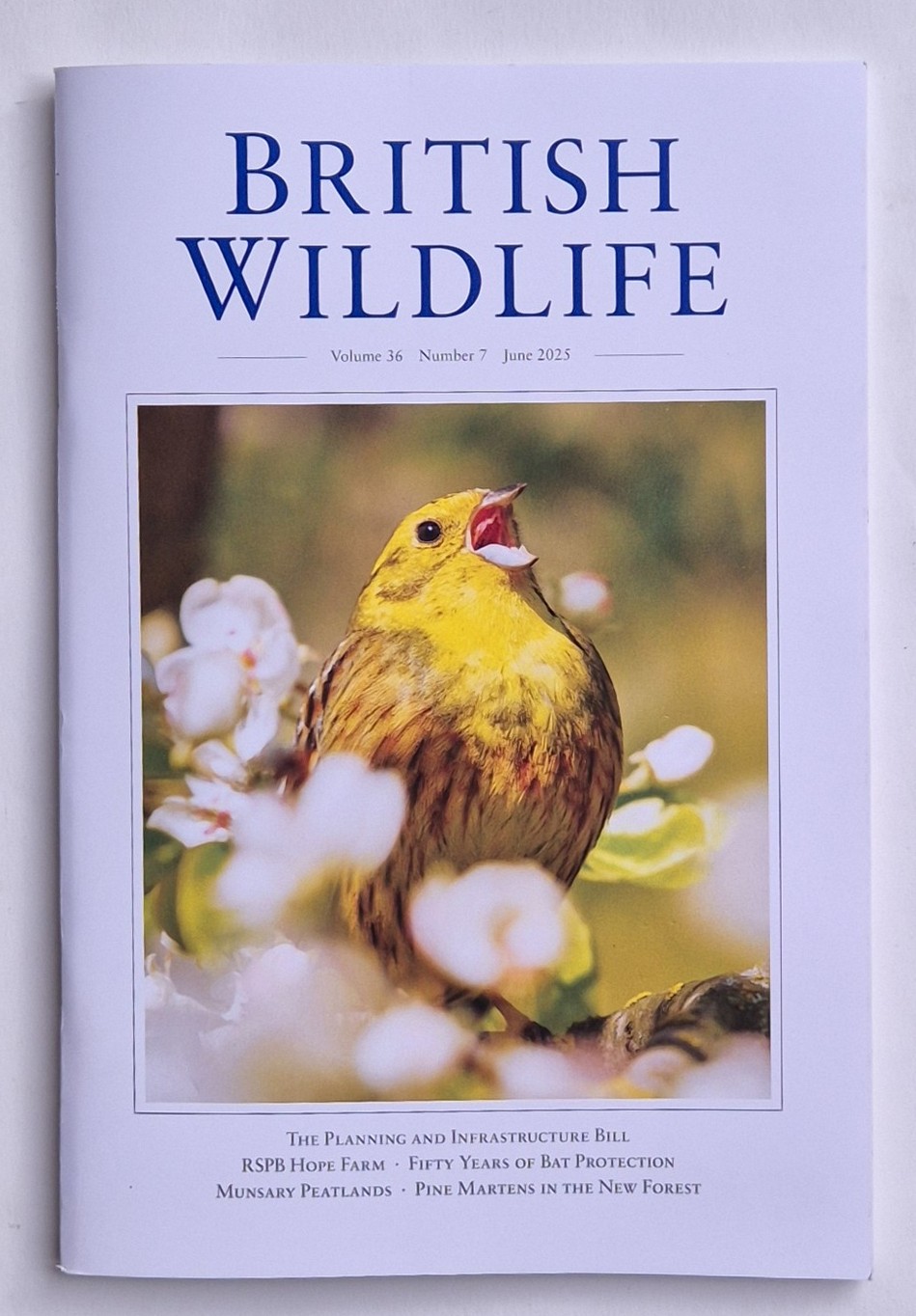
British Wildlife Magazine June 2025
Volume 36 number 7 This is the first of two issues I have waiting for me. I love the magazine but it takes a fair while to read and digest. The Yellowhammer on the cover seems to be there purely for the joy of it. I have only seen two and those were distant glimpses.…
-
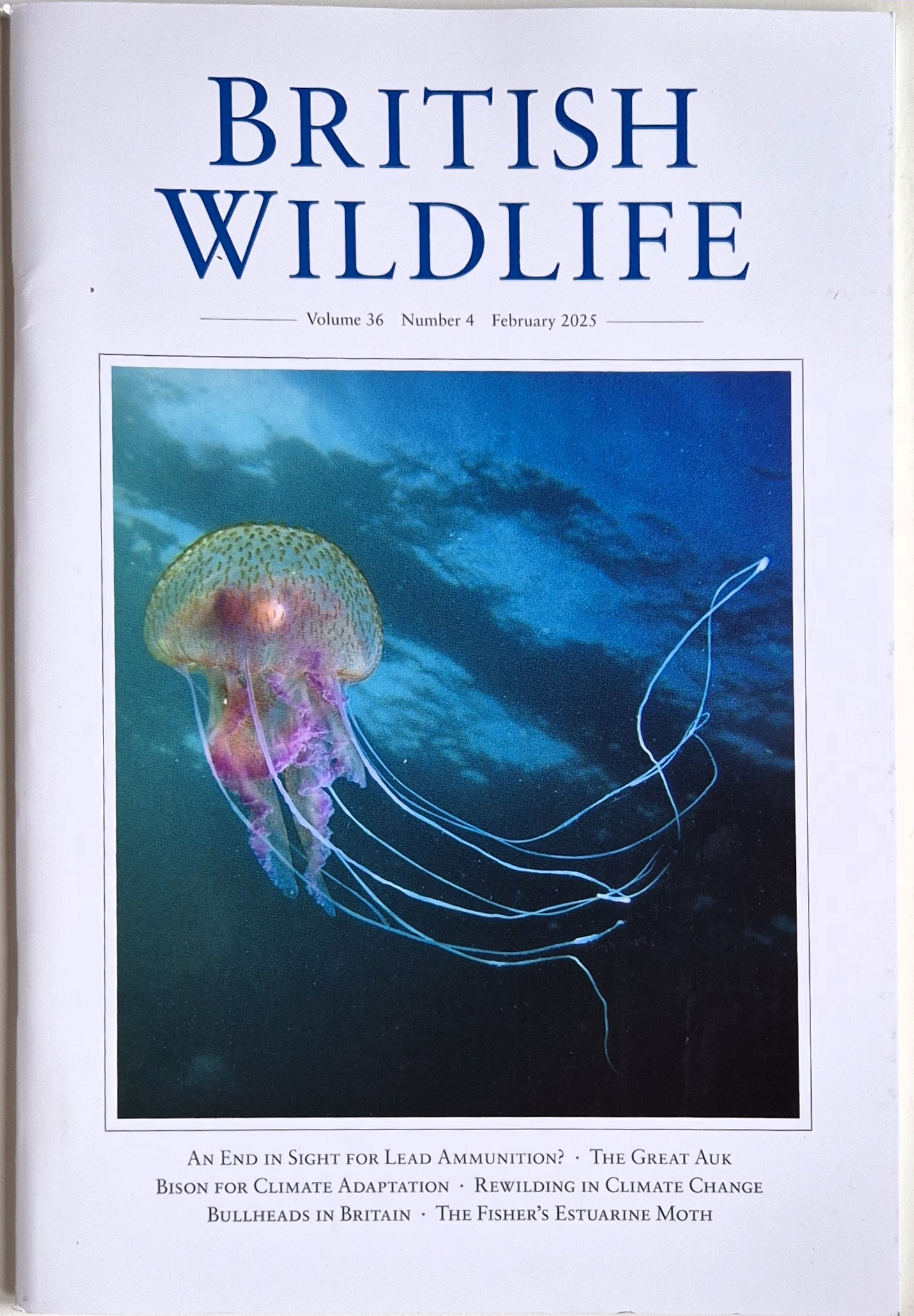
British Wildlife magazine February 2025: the rest of the issue
Volume 36, Number 4 Tim Birkhead contributes “A portrait of the Great Auk”, only ever seen by just one or two scholars and ornithologists. It was driven to extinction in 1844 by dealers and museums and it is far from clear what it actually looked like. There seem to be just two images drawn from…
-
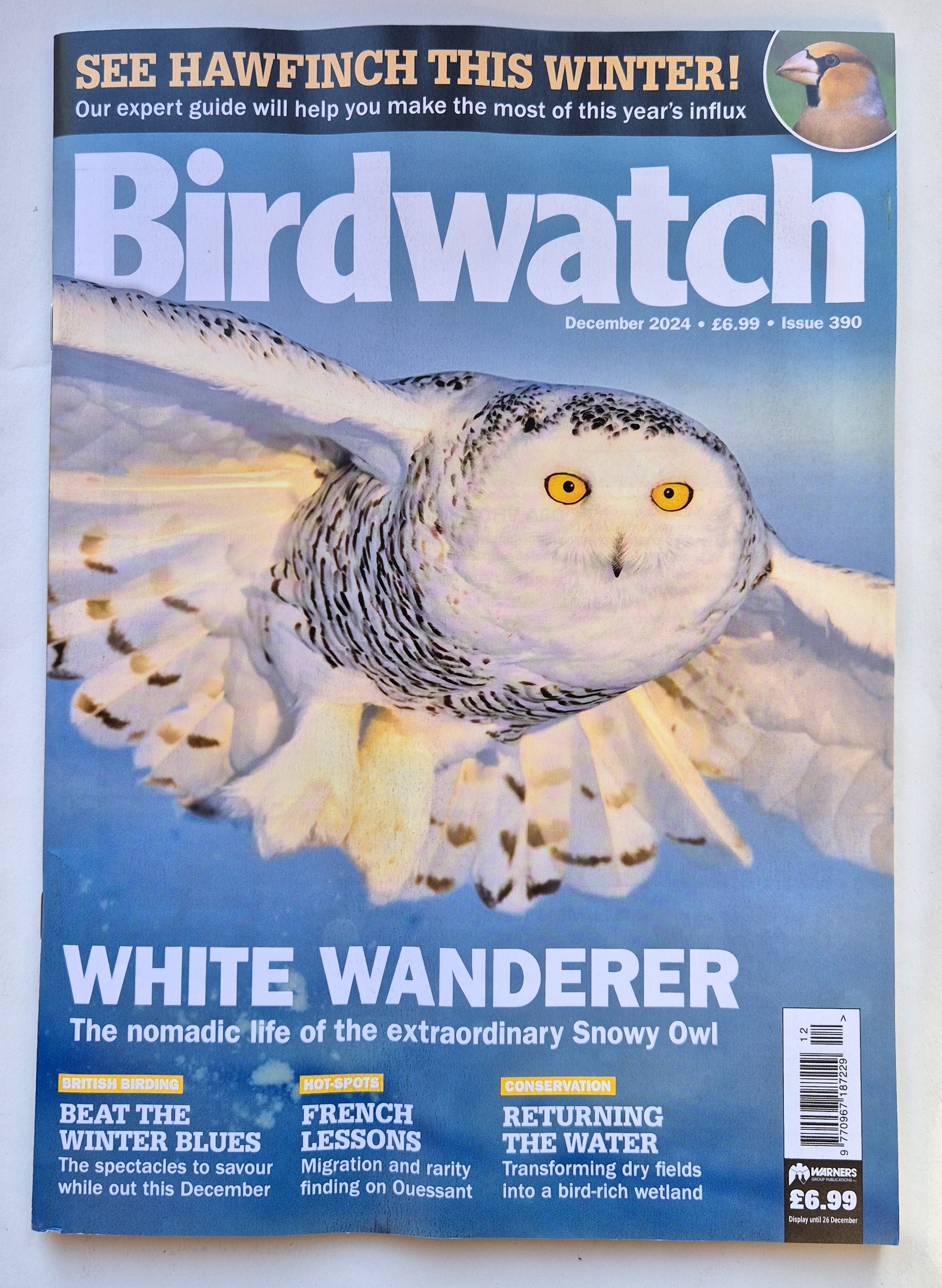
A Jay, a Magpie and Birdwatch magazine December 2024
Magpies are pretty common, I see them all the time, but I have only ever seen a Jay perhaps two or three times in my life. Their colours, both delicate and bold, are beyond words. At Hart Wildlife Rescue, in the isolation room again, I was entrusted with five hedgehogs and moving a Jay and…
-

British Wildlife magazine October 2024, tigers, and foxes in Scotland
A necessary use of the Oxford comma in the title there – there are no tigers in Scotland as far as I know. British Wildlife, Volume 36, Number 1 I have been blessed by visits from a Great Spotted Woodpecker this year, on a daily basis for quite some time, two of them at one…
-
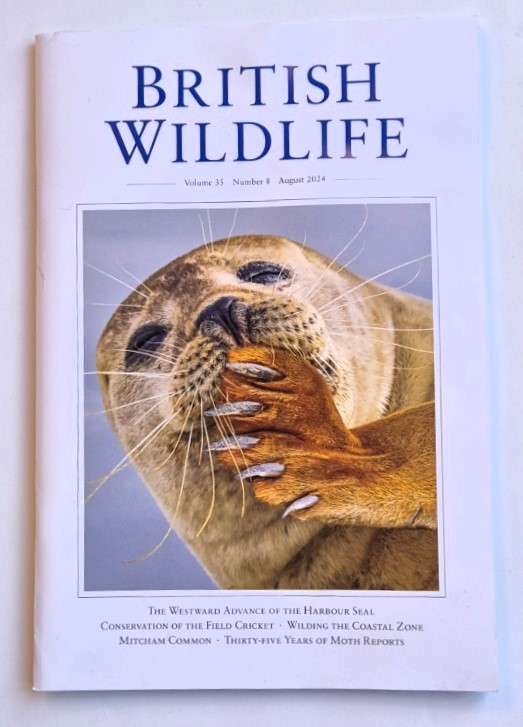
British Wildlife magazine August 2024
Volume 35, Number 8 Another terrific issue. I have illustrated this post with various recent wildlife photographs of my own. “The surreptitious westward advance of the Harbour Seal” is the title of the lead piece by Stephen Westcott. Harbour and Grey Seals were not treated as distinct species until as recently 1936. The former, which…