Three articles in last week’s Sunday Times I found very thought-provoking. The first is about the Pitt-Rivers Museum in Oxford. I visited some years ago and it is certainly a gruesomely intriguing display of the results of colonial theft. The shrunken heads are no longer exhibited however. I feel for the director, Dr Laura van Broekhoven, she has a daunting road ahead of her. Now a delegation of Maasai has visited to discuss the future of objects which they say are so sacred that they could only have been taken from their ancestors by murder. I am happy to say that talks are proceeding co-operatively rather than acrimoniously. The 188 artefacts were not even perceived as controversial by the museum until seven years ago thanks to a Maasai activist. One of the delegation’s leaders made this conciliatory comment: “Whether or not we take the artefacts back, this issue has prompted a social movement. It has united our community of 25 groups across East Africa, and revived our traditional leadership council that was banned by the British.”
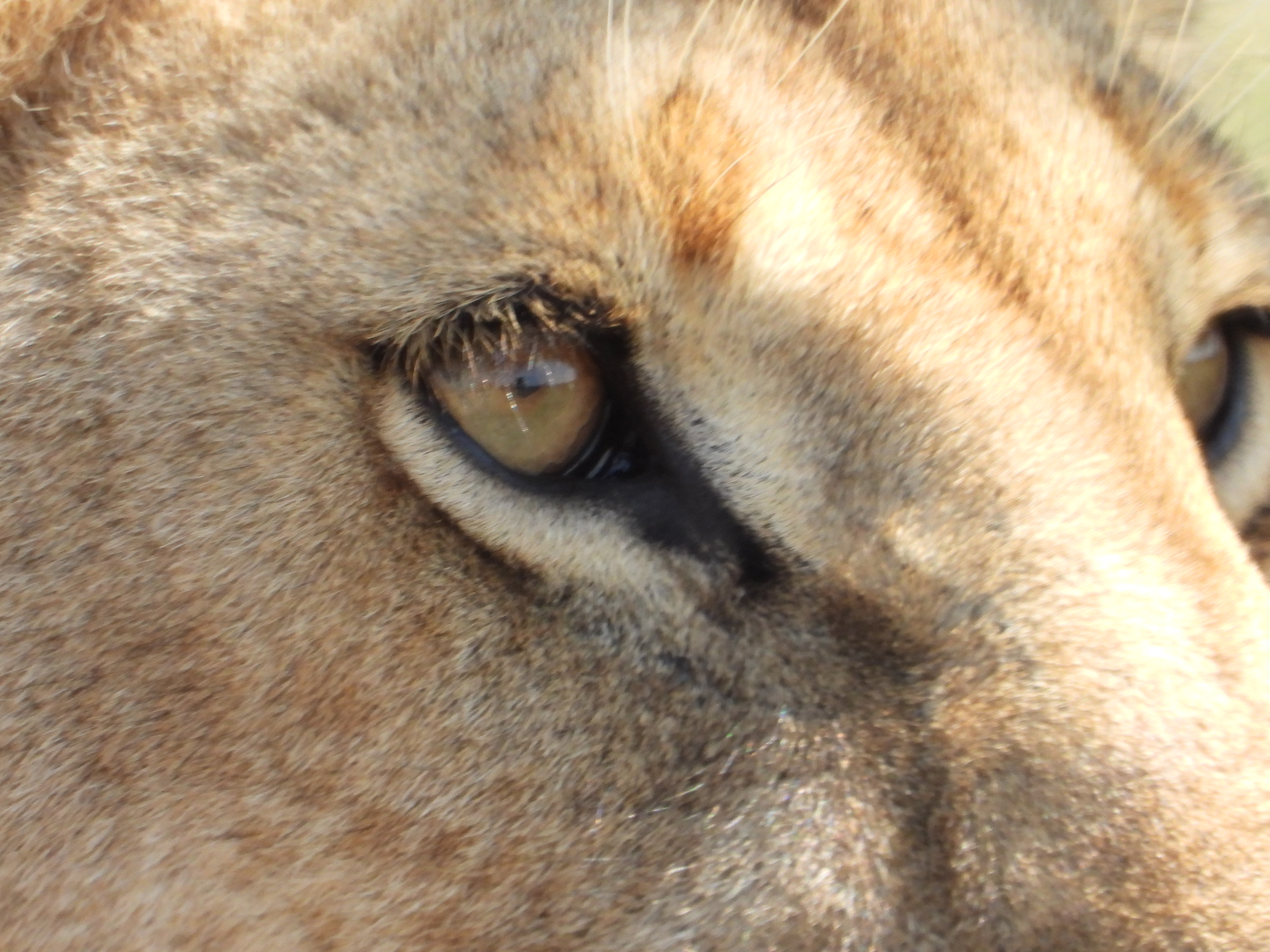
Secondly, whilst there is no reason for me to take issue with a welcome boost to tourism in Uganda in the form of a marathon enjoyed by runners from 33 countries, and the presence of soldiers armed with rocket launchers along the route is, one hopes, more to do with terrorist threat than danger from wildlife, the article states that “the main danger is from lions and elephants.” What troubles me is the headline. “Uganda’s marathon boosts tourism footfall. Just stay a step ahead of the stray lions.” It is of course the word “stray” that worries me. It suggests that they may have escaped from somewhere. Did they mean wild? It is the lions’ territory upon which we are straying and intruding, surely.
Thirdly, almost a century ago, Coca-Cola registered its trademark in Colombia which, says David Curtidor, a director of Coca Nasa, was a violation of the rights of Colmbia’s indigenous people, for whom the coca leaf is a key cultural element, chewed during rituals or cultivated for food and medicine. Coca Nasa has bravely decided to take on the giant, asking them to stop using the word “coca” at all. When Coca Pola (“pola” being the local term for beer) launched, Coca-Cola threatened court proceedings in 2021 for breach of copyright. Clearly Coca-Cola, as suggested by Curtidor, should be the ones asking permission to use the name and offer compensation.
As an aside, in the same edition of the paper, there is a piece about efforts to bring back the Dodo using DNA samples. I can think of higher priorities for scientific endeavour right now.
The tireless Protect the Wild meanwhile comments on the extraordinary hypocrisy of members of the royal family involving themselves in wildlife protection and conservation. As I have similarly argued many times, they wrote of prince William’s patronage of the British Trust for Ornithology, “It is beyond belief that, though this patronage, the prince purports to care for birds, yet guns down grouse (as well as other birds). William would likely make the claim that grouse shooting helps with conservation on the moors, that he is helping to keep a balance in the ecosystem. But there is nothing noble about an industry that meddles with said ecosystem by keeping a native population of birds artificially high, just so that they can be murdered for profit and kicks.” The royals cannot argue different times, different mores, young George was introduced to grouse shooting by his parents, William and Kate, at the age of seven.
Leave a Reply