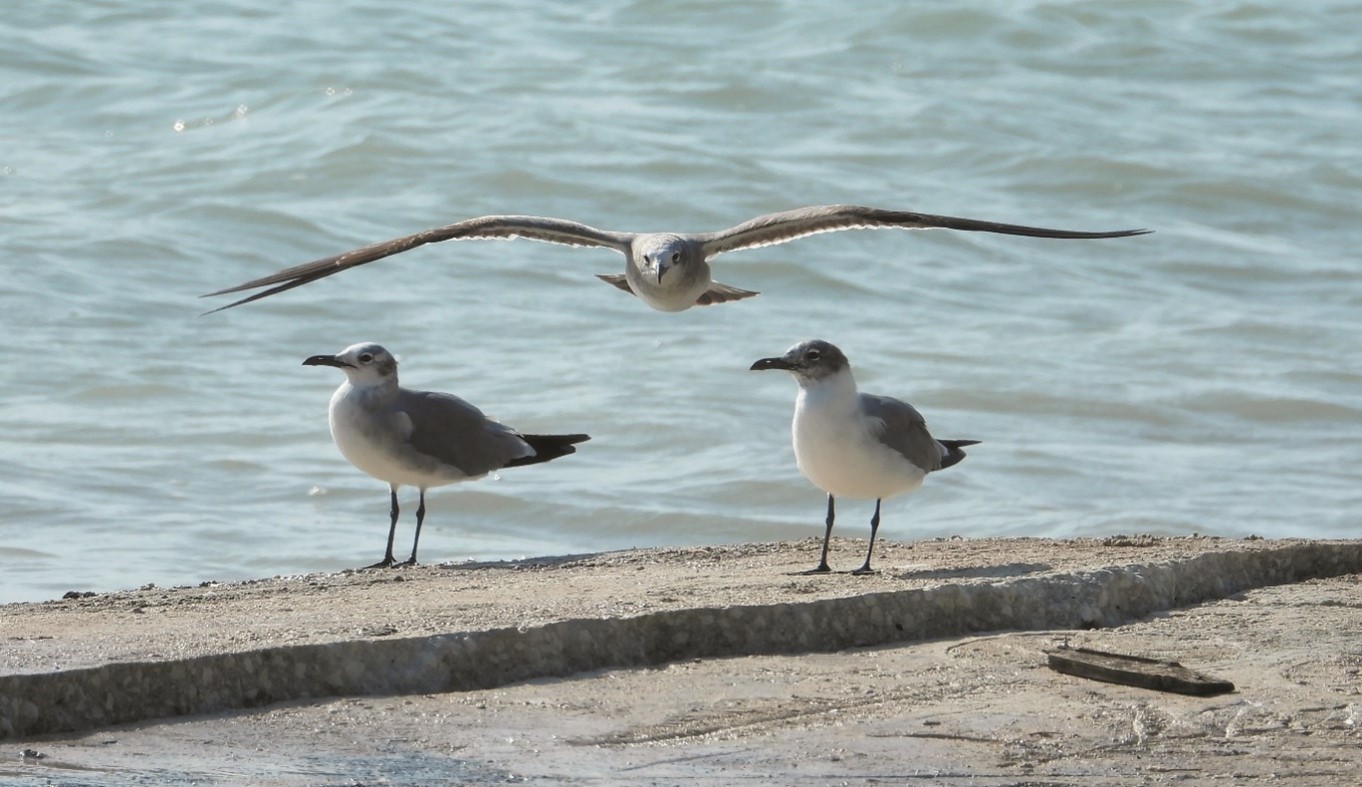
Having attended the BTO’s online seabird ecology course
Seabird ecology, seabird decline – and a Wren and a House Martin – Animal Wild
during which we learnt of the dire state of play, that Kittiwakes and Herring Gulls are red listed and a further five species of gull are amber listed, it made my blood boil to see another typical example of tabloid hysteria in The Scottish Daily Mail. The headline reads “Gull invasion fears as nature quango prevents them being culled.” Invasion? Come along now. They desperately need protecting, not culling. Many people do not like gulls but I love them, tricky though the various species can be to identify. When they nest on human structures the results can be aesthetically displeasing, but do business groups really feel it is necessary to campaign for NatureScot to destroy them “for health and safety reasons”? The number of licences issued, without which destruction or interference would be illegal, has been halved precisely because of concerns about population declines, which in Scotland range from 44% to 75% depending on species.
Lucy Harding, manager of Nairn Business Improvement District, added that “The dangers of the seagulls are not to be underestimated”, citing human injuries sustained from seagull attacks and pupils at one primary school having to have their snacks indoors. Oh dear, what a shame.
Attacks are in fact extremely rare and can easily be avoided by following advice from the RSPB. The gulls are of course only protecting their young and will warn you first. Put your arms over your head (but don’t wave them about) and … move away. And take a bit of care when eating outside. Not complicated. There was one unverified report of a gull in Devon swooping down on a chihuahua and carrying him away. Even if that’s true, and if it is, sure, I would feel sorry for the ‘owner’, that is just one chihuahua. We have too many dogs in the UK, not enough gulls. The media often has a lot to answer for in relation to wildlife with this kind of ludicrous scaremongering as for example in the case of adders (see Animal Wild).
The photo above is of Laughing Gulls, taken in Jamaica.
I was rather worried about this young Jackdaw in the garden (the juveniles have blue eyes, which turn yellow in adulthood).

I had seen it around for several days, always on the ground. He seemed fine on his feet, moving away from me, but I was sure he was as yet unable to fly. Even for a juvenile he looked rather scruffy and there were feathers missing from the top of his head. He was eating food dislodged by other birds from the feeders though and I witnessed him being fed by an adult. I asked HART Wildlife Rescue for advice. They needed more photos, but now I have not seen him for two days so I very much hope he has found his wings. If it had been thought wise to take him in I would have needed a net to catch him anyway which I don’t have – but I have now ordered one just in case. They are not cheap!
I went to collect another nestling House Martin and deliver him to HART two days ago. A charming, kind, animal loving roofer had called it in having seen him fall to the ground from a nest in the eaves where he was working. The bird was in very poor shape and by the time I arrived at HART he seemed on the point of death, just barely moving his head. The prognosis, sad to say, was not good.
Leave a Reply