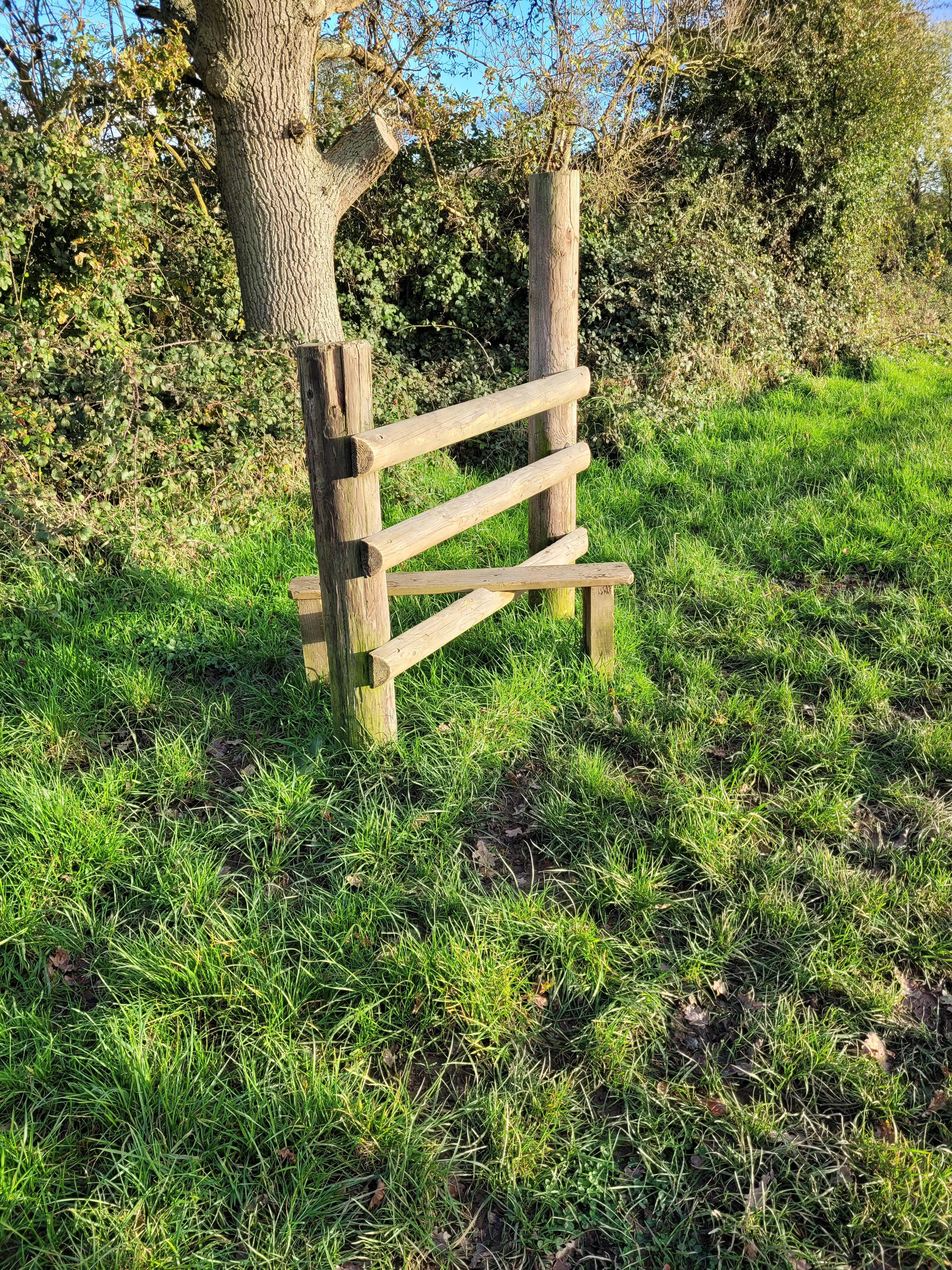
I had this to say in Animal Trust and Animal Wild on the subject:
We could certainly do with a Right to Roam Act along the lines of the one embodied as a statutory right in Scotland in 2005, which allows everyone access to pretty much all land and inland water.
At the October 2023 Tory party conference [Therese Coffey] told a lunch for the British Association for Shooting and Conservation that she disagrees with the idea of a right to roam, saying “the only things that have a right to roam are farmers, pigs and their cattle.”
Nick Hayes in his books which essentially promote the idea of trespass points out that it’s all very well being grateful for footpaths and the right to use them, but as soon as you accept that notion you are also accepting that you are not permitted to roam anywhere else. He reminds us too that in England the public are forbidden from 92% of the land and 97% of the rivers. Whereas in Scotland the right of public access supersedes the rights of landowners to exclude them.
The kneejerk counter to this from the 1% of people who own 50% of England’s land is to suggest that a similar right here would mean people having to open up their gardens and be willing for people to walk through them, litter them and do whatever they wanted which is, of course, arrant nonsense and equally obviously that is not what has happened in Scotland. Robyn at HART, who is Scottish, was shocked by the rules here where wild camping is not a normal and cost-free thing: “You have to pay?” The scales have long been tipped in favour of the wealthy few, the landowners whose power is based on theft, slavery and colonial looting, an imbalance which the present government seeks to exacerbate. As George Monbiot says, it “is part of England’s long tradition of enclosure: seizing a common good and giving it to the rich and powerful.”
Journalist Matt Rudd, wrote recently about this in the Sunday Times having spent a day with ‘renegade’ roamer Jon Moses: the Right to Roam campaign was founded in 2020 and first organised mass trespasses in 2022, one of which took place on Lord Benyon’s (see both books above) 12,000 acre Berkshire estate. More recently, when Earl Bathurst suddenly introduced an admission fee “for parkland which had been free to roam for 300 years”, around 500 people trespassed in Cirencester Park in protest. Moses bemoans the increasing normalisation of razor wire and “keep out” signs, in one instance around a field which had been used for years as a shortcut by schoolchildren.
With his usual perspicacity, Tim Bonner, chief of the Countryside Alliance, described the campaign as “politically motivated extremism”. Author Guy Shrubsole (see bibliographies of both books), argues that rather than destroying nature as Bonner claims would happen, people, by becoming more connected, will care more and have their eyes and ears open to the actions of wrongdoers (fox hunts for example). Tim Bonner wouldn’t want that.
We can only hope that the next, presumably Labour government, will listen to the will of the people.
Leave a Reply